
Jason Hiner
Jason Hiner is the Editor-in-Chief and Chief Content Officer of The Deep View. He's an award-winning journalist who has spent his career analyzing how tech has reshaped society. He covered AI for over a decade at ZDNET and CNET as it evolved from research labs to enterprise infrastructure to a daily reality for over a billion people. He came to The Deep View to cover AI every day and build a next-generation media company.
Articles
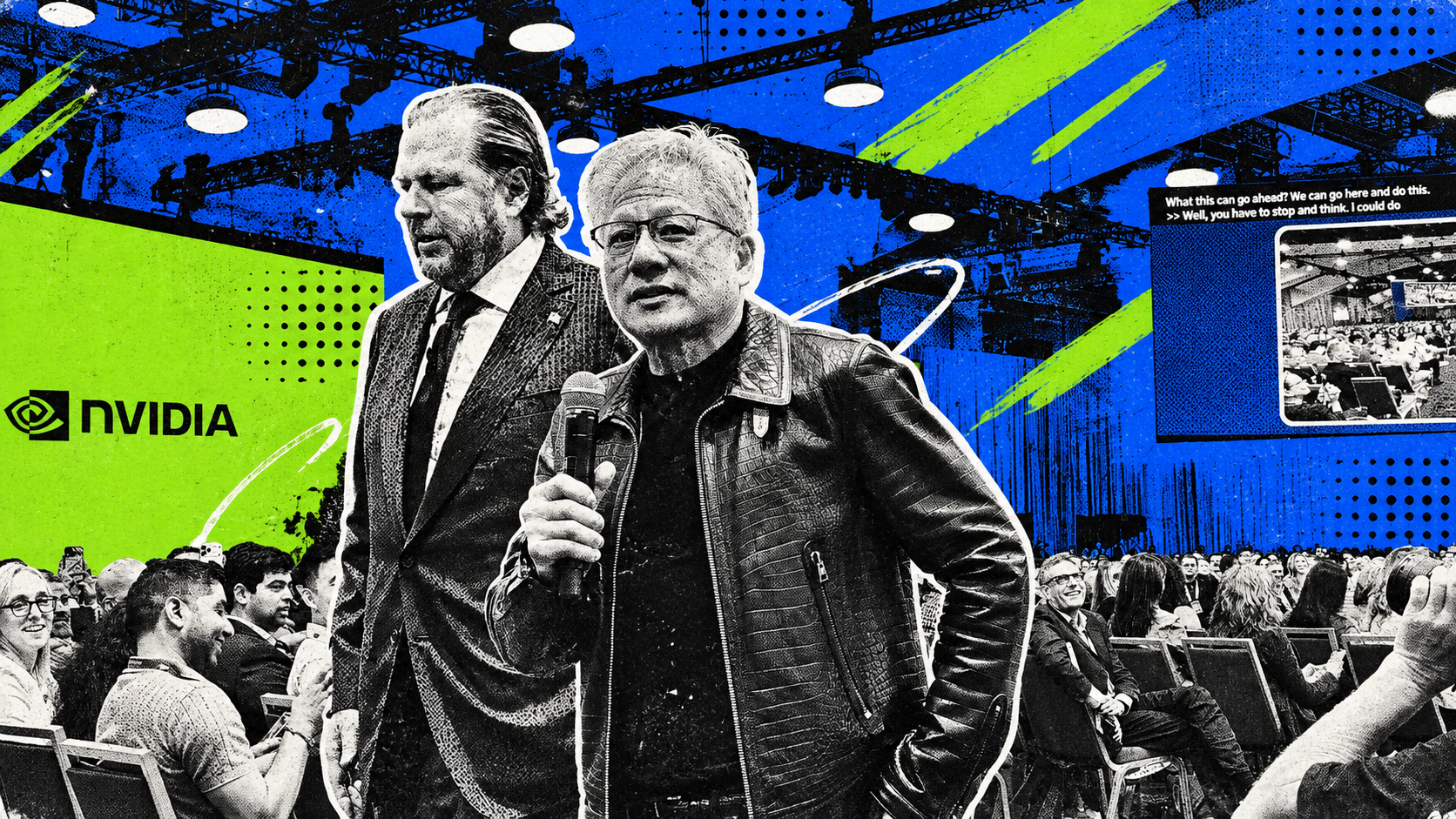
Why Jensen Huang proved to be too big to fire
It turns out that Jensen Huang ended up being too big to fire as Nvidia CEO.
On Monday, Nvidia's board of directors unanimously voted to reinstate Huang as CEO, president, and a member of the board, "following a series of discussions and meetings with Mr. Huang, after which the board was satisfied with respect to Mr. Huang’s candor and ability to lead Nvidia," the board stated in a published statement.
According to Reuters, Huang may owe his reinstatement to President Donald Trump and Vice President JD Vance, who reportedly personally intervened in the decision on claims that Huang alone could protect the US open-weight AI market. Meanwhile, Axios reported that Trump pushed to get Huang his job back after allies argued that he was "too big to fail."
This intervention, however, makes the decision to bring Huang back look more like a "a cave-in to external pressure rather than doing what’s truly best in the long-term interests of the company," Brian Jackson, a principal research director at Infotech, told The Deep View. "It seems the board felt pressured to put Huang back in place despite open questions about his judgment as leader."
Still, according to Business Insider, Nvidia employees were happy to have Huang back, greeted on Monday at the company's Santa Clara office to cheers from staff. Huang reportedly told employees: "I'm gonna be a better CEO the second time around."
And the Nvidia staff weren't the only ones excited to see Huang return. Following Huang's reinstatement, tech stocks rallied after seeing a sharp decline over the past few weeks on his ousting.
- Nvidia stock itself was up more than 31% on Monday, closing at $165.05 per share after ending the week last week at around $130 per share.
- That explosion extended to other tech stocks as well, creating a $2 trillion swell in market cap for the Nasdaq 100. AI cloud firms like Nebius and CoreWeave each saw a 20% gain in their share prices following the news.
However, not everything is going back to the way it was: One of the changes made after Huang's resignation on November 12, the appointment of Harvey Jones as board chair, will remain even after Huang's return. The interim CEO, Colette Kress, will return to her role as CFO. Interestingly, Kress led Nvidia's earnings call last week and hinted that the company might revisit its much-scrutinized circular financing deals. This follows International Monetary Fund director Kristalina Georgieva calling out circular financing as a significantly risky practice last week.
Additionally, the chaos generated by the Huang whiplash could force fellow hyperscalers to get serious about developing their own alternative to Nvidia's chips supply, Jackson said. "Could they be looking at Nvidia as a riskier partner today? If so, it might incentivize them to invest more in their own chip development." Google, Microsoft, and Amazon are all now producing their own silicon, for example.
Our Deeper View
One thing that Huang's reinstatement makes clear is just how volatile the AI market is. It highlights just how much power has been concentrated in the hands of so few people, with the actions of one man creating domino effects that ripple through the entire economy. As Jackson put it, Huang's reinstatement suggests that Nvidia's valuation is "more about a cult of personality around one leather-jacket-clad leader than the fundamentals of the business." But beyond Nvidia, it also begs the question of whether the market should be this temperamental. With trillions of dollars and a potentially society-defining technological transformation on the line, is it a dangerous sign for an industry with so much at stake to be so easily destabilized by the affairs of one CEO?
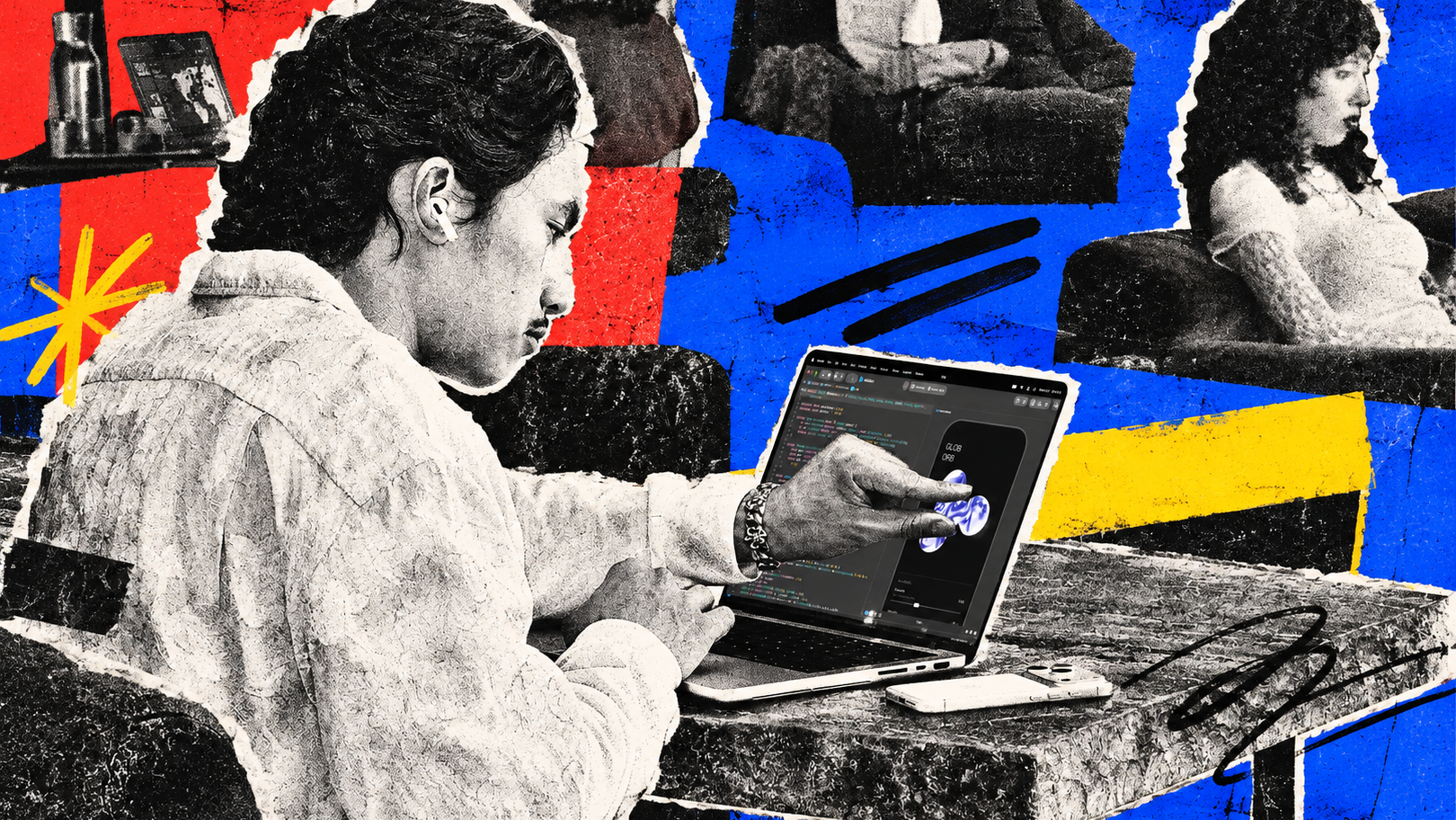
MacBook Pro's real upgrade isn't the touchscreen
The new OLED MacBook Pro is the best laptop I've ever touched, and I never use the touchscreen.
So if you think of this machine as Apple's first touchscreen Mac, you've got the wrong idea about it. It's more like the next evolution of the world's most popular professional laptop, and being able to control the system from the screen with touch gestures is one of the least interesting things about it.
This is arguably the top laptop money for running high-end AI right now. And while Microsoft, Nvidia, AMD, and others are hustling to power up Windows laptops that can compete, they're still playing catch-up.
I've been testing the 16-inch version MacBook Pro with PROLED XDR for the past couple weeks. The review unit that Apple sent has an M5 Max processor with an 18-core CPU and a 40-core GPU, 128GB of RAM, and 2 TB of storage. This machine would retail for $7,399. A more standard configuration would cost $2,899 for the 14-inch and $3,399 for the 16-inch.
Here are the improvements that I appreciate the most about this machine:
- Nearly everything feels remarkably faster than the 14-inch MacBook Pro with M3 Max and 64GB RAM (a very powerful machine) that I typically use as my daily driver.
- The 16-inch model is noticeably lighter (4.0 lbs compared to 4.7 lbs) and thinner (16.0 mm compared to 16.8mm) compared to recent versions of the 16-inch MacBook Pro.
- The display offers a significant quality-of-life upgrade. It's the first OLED on an Apple laptop, and it's a Tandem OLED with deep blacks, strong and accurate colors, and 2,000 nits of brightness. Where the brightness on this display makes the biggest difference is when using it outside. The standard glossy version of the display also has a new coating (because of the touchscreen) that makes it more fingerprint resistant, which I love.
- The new display also imports the Dynamic Island from the iPhone, which is a nice touch for making Live Activities, music controls, and Siri AI easier to access. It also takes up a lot less space on the menu bar, which is great for power users who have a lot of menu bar items.
- The speakers on this machine also offer crisper sound and deeper bass. If you care about high fidelity sound or want to take advantage of the incredible display to watch movies from a hotel room on the road, for example, then you'll be happy with the fullness of the sound in this upgrade.
And of course, you can run local AI on this machine in a big way, using tools like Ollama, LM Studio Bionic, and a new one I've been interested in lately called Sal from HelloPartner.ai. With these tools you can download models directly to the laptop and run them from unified memory. That includes models from 4B parameters up to 70B parameters or more, depending on how much RAM you have. That's enough to do a lot without burning through your token budget while keeping everything private.
Our Deeper View
Everything about doing work on the MacBook Pro with PROLED XDR is smooth and powerful. I'd call it a refinement of one of the world's most popular business products, but it's a step above that. At first glance, the machine looks the same as previous versions of the MacBook Pro, but I was pleasantly surprised at how much lighter it felt. In fact, in my bag, the 16-inch feels about the same weight as my previous 14-inch, and that's enough to make me confident I could switch to the 16-inch full time. The new OLED display is a joy to use everyday. If you're a developer testing iPhone and iPad apps, the touchscreen is a big benefit. Otherwise, I didn't find many uses for it. The biggest drawback of this machine is the eye-watering price tag. But, if you are an AI builder running advanced workloads then you could certainly make back the price by switching some of your work to local AI, even on the high-dollar configurations. All things considered, this is now the best laptop money can buy for building with AI.

Why bolting on AI won't save SaaS companies
While AI can change your product, the harder work is reinventing the company, the business model, and the way people work.
In this episode of The Deep View Conversations, we sit down with Krish Subramanian, co-founder and CEO of Chargebee, to explore what it takes for an established software company to earn its next act in the AI era.
Krish explains why reinvention starts with accepting that the customer's world has changed and why the leaders who built a company's first success may still be able to lead its next chapter if they can let go of old assumptions.
The conversation also follows Chargebee's evolution from subscription billing to AI billing and monetization. Krish argues that usage-based pricing is a useful mechanism, but hybrid models can do more to connect a sustainable business with customer behavior, repeat use, and value.
We also discuss Arc, Chargebee's new platform for humans and agents to collaborate on finance work. In a function where 95% accuracy isn't enough and a CFO remains responsible for the numbers, Krish explains why specialized tools need context, citations, traceability, and human review.
Other topics covered:
• Keeping an established business running while building something new inside it
• Balancing a bold vision with the reality of daily execution
• Why a feature can become a business when you understand the customer deeply enough
• How to use credits and subscriptions to encourage repeat use of AI products
• How finance agents can connect contracts, billing, and the work between systems
• AUDR, an open specification for understanding agent usage and costs
• What living in India, the US and the Netherlands taught Krish about culture and trust
• Why quiet time and contradictory perspectives matter when AI can be confidently wrong
If you're leading a software business, building with AI, or deciding where agents belong in your organization, this conversation connects the technology's possibilities with the business models, judgment, and accountability needed to make it useful.
📺 Watch on YouTube
🎧 Listen in your favorite podcast player
Subscribe to Deep View Conversations for interviews with the leaders shaping the future of AI, business, and technology: https://tdv.transistor.fm/
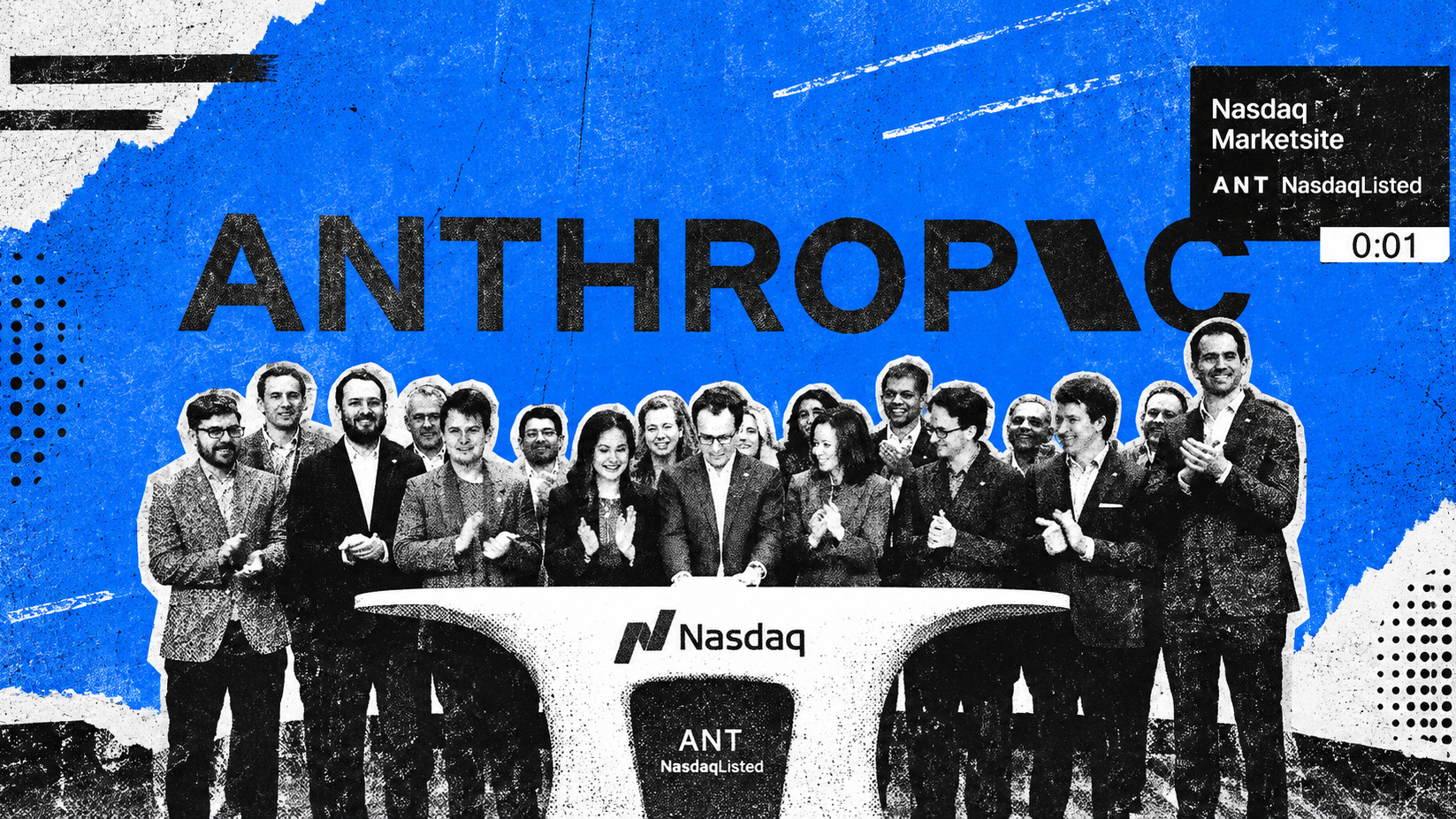
Anthropic's IPO is a trillion-dollar bet on trust
Anthropic officially landed on the Nasdaq on Thursday, marking a watershed moment for the AI industry—even as many, many questions remain.
The maker of the popular Claude chatbot, Claude Code, and enterprise-friendly AI models such as Mythos, Fable, and Opus, set a base price of $83 per share, closed up 17% at $97.17 on its first day of trading, and raised $81 billion to fund future growth.
The company's valuation is a $1.27 trillion market cap, which immediately vaults it into the top 10 most valuable companies in the US stock market, coming in the 10th spot right behind Tesla. (On a fully diluted basis, the company is worth $1.7 trillion, which would rank it 7th).
It's going to need that $81 billion to pay for the data center commitments the company has made to fund the growing number of users of its products in the years ahead. Still, Anthropic is not the money-burning furnace that other AI companies are. It reportedly turned its first operating profit in June, according to The Wall Street Journal, and has projected that it will have positive EBITDA in 2028.
The fact that Anthropic went public before its archrival, OpenAI, which has been around longer, is a testament to the fact that Anthropic has been almost solely enterprise-focused since Claude launched in 2023. And the enterprise is where the lion's share of revenue is being generated in AI today.
Despite Anthropic's successful debut on the Nasdaq, there are major questions swirling around the AI trade in the market and the course of the AI industry in general:
- Earlier this year, Anthropic's IPO was expected to reach $2 trillion at its debut. Is the discounted price a reflection of investors' wavering confidence in the future of AI?
- When OpenAI's IPO arrives in 2027, where will it land in comparison to Anthropic and is it reasonable for the two of them to be valued at the same level as tech companies that took decades to create trillions of dollars in value?
- Where will the broader AI trade go for the rest of 2026 and into 2027 now that Nvidia is in turmoil from the resignation of CEO Jensen Huang, the AI boom's No. 1 evangelist?
- The recent mid-term elections in the US were overwhelmingly won by anti-data center candidates. Will that put constraints around AI expansion across the country in the critical years to come?
- As I wrote in October at the Gartner Symposium, 81% of CIOs expect to increase AI spending in 2027 while only 11% of CFOs report that they are seeing clear returns from AI investments. Will enterprises close this gap and keep investing more resources in AI to the benefit of Anthropic and other enterprise AI vendors?
Our Deeper View
Anthropic's market debut comes at a time when AI models are commoditizing and enterprises are turning toward efficiency, with a focus on model routing and using less expensive models, small language models, and domain-specific models. Even Anthropic itself tacitly acknowledged the trend with its recent release of Fable 5.2, which builds in its own routing features that can delegate tasks to faster, lower-priced models like Sonnet and Haiku. As a result, when we think about the future of Anthropic, it's likely to be less about selling lots of metered access to enterprises for the most advanced and most expensive AI models that money can buy. Instead, think about Anthropic as the company that has created a brand around being the safest, most trustworthy, and most business-friendly AI company in the world. In the long run, that's likely to be enormously more valuable than creating the most advanced models, especially in a world that's still so distrustful of the future of AI.
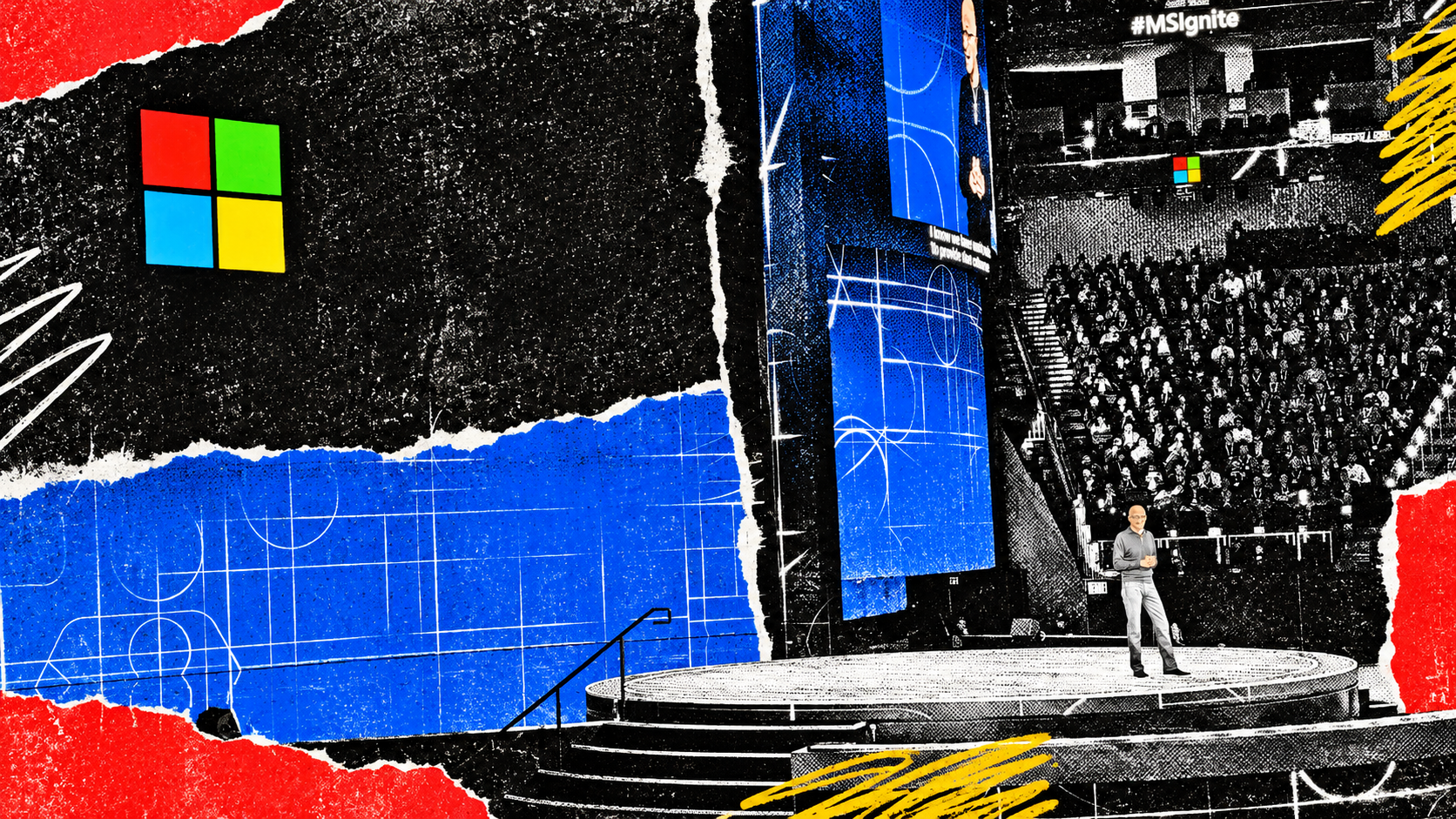
Microsoft bets its Autopilot agent can win on trust
Persistent agents. Get used to that phrase because you're going to be hearing a lot more of it over the next 6 to 12 months.
On Tuesday at Microsoft Ignite in San Francisco, the hyperscaler unveiled Microsoft Autopilot, its answer to persistent agents. The company dubbed it, "Microsoft’s first enterprise-grade, long-running agent for personal productivity" and it offers many of the same capabilities as OpenAI Dots, Claude Duet, Meta Muse, and GrokBot—but within Microsoft's safety and security constraints.
If your work life runs within Teams, Outlook, and Microsoft 365, then Autopilot is a personal agent that can take advantage of AI's latest capabilities to proactively assist with your most important tasks and messages.
Here are some of the specialized and standout features of Autopilot:
- The cloud-based agent operates as its own entity with memory, computer, and tools, so it can run even when you're offline or your laptop is closed. It can monitor your messages in Teams and Outlook and flag priority items, run recurring tasks, manage projects, and carry out cross-functional workflows.
- Each one has its own Microsoft Entra Agent ID and an assigned manager and all of the actions it takes are safety-checked and visible to IT administrators, who can also manage any of those actions.
- In Teams, Outlook, documents, and channels, you can @mention the agent to carry out work or follow up on something. Your human teammates can also contact the agent to ask about your calendar or other transactional things that the agent can handle.
- Access to Autopilot is limited to the Frontier preview program and you'll need a Copilot license with usage-based billing enabled.
Similarly, on Wednesday Google rebranded its Spark agent as "Tasks in Gemini" while making it free to use for everyone, much like Meta's Muse. Google is also trying to help users in its ecosystem automate low-level work using the deep context of people who use Google Workspace and/or Gemini Personal Intelligence. To use it, simply switch from Chat to Tasks in the Gemini interface. You can also now email your agent at [email protected].
Our Deeper View
Think of persistent agents as the next evolution of personal agents like OpenClaw and others that swept the world in early 2026. All of those agents are still incredibly capable and can do virtually everything that Microsoft Autopilot and other persistent agents can do. The benefit of persistent agents is that they are easier to spin up and they are already running inside platforms you trust and where your most important data lives. While Microsoft Autopilot is squarely focused on corporate usage, Google is pitching its agent as one that can help you pay bills, automate your shopping, make a service appointment for your car, and stay on top of your kids' schedules. As different as the focus is for Microsoft and Google with these two products, these are the two platforms where most people have their logins, work apps, and individual data, and that makes them the most likely to win trust for trying these kinds of agents. Still, the next big opportunity for both could be rolling out more specialized agents to help with dedicated functions, such as social media, marketing, business ops, project management, legal assistance, and health.
Disclaimer: Jason Hiner's travel to the Microsoft Ignite 2026 event was paid for by Microsoft. The Deep View's coverage is editorially independent from the companies we cover.
OpenAI's GPT-6.2 shifts the AI race toward cost per task
New AI models have been leapfrogging each other nearly every week during 2026, and a new week is upon us.
On Tuesday, OpenAI announced GPT-6.2 Astra and Sol, its two most powerful models that are now racing past recently unveiled models from Anthropic and Google in several benchmarks. But the bigger story is around the GPT-6.2 advances in cost and efficiency.
OpenAI characterizes GPT-6.2 Astra as the model for the most challenging and complex professional tasks and workflows. That includes creating slides, spreadsheets, and docs, which are the vessels containing the work of so many professionals day-to-day. With Astra, OpenAI says the model will "more closely follow the templates you provide and the conventions of your field." The company also flagged writing cleaner code and building front-end web sites that work better and are more aesthetically pleasing as highlights of Astra's growing capabilities.
Astra costs the same as Anthropic's Fable 5.2: $8 per million input tokens and $40 per million output tokens. However, Astra costs twice as much as Fable per million cached input tokens: $0.40 compared to $0.20.
As for Sol, OpenAI emphasizes that it's the smart model focused on efficiency to let you complete more tasks with fewer tokens. It's especially aimed at agentic multistep workflows, writing that is cleaner and more natural, and collaborating with humans in an intuitive way. The AI lab revealed, "Many employees at OpenAI use it as their default model for both technical and non-technical tasks."
While Sol, which is OpenAI's second-tier model, offers roughly the equivalent intelligence as Anthropic's second-tier Opus model, Sol costs the same as Anthropic's third-tier Sonnet model: $2 per million input tokens, $10 per million output tokens, and $0.10 per million cached input tokens.
Here's where both new models deliver in terms of efficiency and affordability:
- Using the Agent's Last Exam benchmark that tests multistep professional workflows, GPT-6.2 Astra set a new high score (78.3%) while scoring 5.2 points higher than GPT-6 Astra at less than a third of the cost and 5.5 points higher than Fable 5.2 at 5% of the cost for the tokens to complete the work
- Using Cognition’s FrontierCode 2.0 benchmark, GPT‑6.2 Sol scores only 0.5 points lower than GPT‑6.2 Astra at about one-fifth of the cost (both using the max setting); and both come in slightly lower than Claude Fable 5.2 and Claude Opus 5.5, which both cost considerable more
- In OpenAI's GDPval v2 benchmark, which measures real-world, complex, long-horizon knowledge work from sectors such as marketing, finance, data science, and biotech, GPT-6.2 Astra leads all models tested, improves 6.2% from GPT-6, and uses 22% fewer output tokens
- GPT-6.2 Astra also set new highs on Terminal‑Bench Science 0.1 and the Vals Science Index benchmarks, making it one of the top models in the world for use in science labs
Our Deeper View
I learned about the release of GPT-6.2 Astra and Sol in the Microsoft Ignite keynote this morning, shortly before the news became public. When Microsoft CEO Satya Nadella matter-of-factly named the models as part of the cutting edge AI available on Microsoft's platform, I immediately thought, "Wait, did those just get announced?" It's a sign of the times that the announcement of new models with better capabilities and the ability to complete more and better tasks with fewer tokens is just part of our everyday reality now. Of course, it's great to get models that can do more for less. But it also reminds me that the models themselves are getting more and more commoditized. Routing tasks and workloads to the right models to increase speed and lower costs is where a lot of the value is accruing right now. And while Anthropic played that up as one of the built-in capabilities of Fable 5.2, there's no sign of routing or orchestrating in GPT-6.2 Astra. That's where OpenAI will need to go next to better serve its users and avoid having to compete almost solely on price.
Why AI took early blame for the FAA flight outage
One of the consequences of AI being everywhere is that it also becomes one of the first things to blame when stuff goes sideways.
Friday's FAA systems outage in the US led to the first "ground stop" since January 2023 and resulted in tens of thousands of flights being cancelled or delayed and over 1 million travelers being stranded. Speculation quickly escalated that it could be AI-related. However, on Friday, Homeland Security secretary Markwayne Mullin put the kibosh on those rumors saying the department found no evidence that AI or cyberattacks were the root cause of the outage, while reporting that an investigation would be on-going.
In a briefing on Friday, Transportation secretary Sean Duffy said, "We started to have inconsistency in the data from the radars and our communication with airplanes, and we have procedures for this." He stated that newly installed digital equipment continued to operate normally during the outage while it was the older analog systems that malfunctioned and led to the issues.
The outage ended up lasting almost five hours from 3:30 p.m. to 8:15 p.m. ET on Friday and Duffy ultimately blamed the outage on a "contractor error or a faulty piece of equipment" as part of a networking upgrade from traditional copper wires to fiber optic cables.
However, the AI speculation emerged because the FAA is in the midst of implementing an $875 million AI-powered system called SMART (Strategic Management of Airspace, Routes and Trajectories). The new platform began rolling out in September and the agency described it as a "cutting-edge tool that centralizes 200 data streams—including weather patterns, flight paths, traffic flow, and controller staffing metrics—into one platform."
During early testing in the Washington, D.C. area, it helped reroute 180 flights and save 10 minutes 80 gallons of fuel per flight by diverting planes around weather and other conditions. SMART was expanded nationwide on November 10, three days before ground stop.
Last month, members of the the House Committee on Transportation and Infrastructure requested an audit of SMART to insure that the "proper safety guardrails" were in place for implementing AI into such important software and specifically called out concerns about the potential impact AI hallucinations could have on mission critical systems.
Our Deeper View
AI is clearly becoming part of everything, and that now includes conversations about risks to societal-level systems. It's certainly understandable that members of Congress would want assurance that the FAA has evaluated and understood all of the potential risks in integrating AI into such critical infrastructure such as the nationwide flight navigation systems. We saw on Friday how the smallest errors can lead to problems with cascading effects that can impact the lives of so many people. And that doesn't even bring up the life-threatening consequences naturally involved in every single airline flight. Putting any of that in the hands of unpredictable, non-deterministic systems is a scary thought, and it's only been amplified by the surprising failures we've learned about from the Hugging Face incident and the myriad of similar occurrences like it that have been revealed in the months since.
How Claude Duet wants to finish your to-do list
Persistent agents are emerging as the next evolution of AI, but the company at the forefront of the AI revolution in 2026 has just gotten in the game.
Claude Duet, Anthropic's answer to Meta Muse, ChatGPT Dots, and GrokBot, arrived as a "research preview" last month, and I've gotten the opportunity to use it since then as well as ask the Anthropic team a few questions about it. I've also gotten the opportunity to compare Duet to Dots and Muse, both of which I've also been testing.
Persistent agents run in the background on a cloud computer, have their own web browser, connect to apps and services you give them access to, carry out multi-step workflows, monitor your files and messages for important updates, and proactively alert you when there are high-priority items that need your attention.
In my testing, I gave Claude Duet the same access to my Slack and Google Workspace accounts that I gave to OpenAI's Dots. As I wrote last week, Dots has proven to be more useful and proactive than Duet. But I've also given ChatGPT a little more context about my work over the last few years, so I'm conscious of the fact that that could be part of the difference. I give Muse far less access and context and so it's mostly helpful with shopping and very specific jobs.
Where Duet stands out is being extremely task-oriented. While Dots will simply surface information as a heads-up, such as conflicting meeting times or changing details on a project, almost everything Duet surfaces involves an offer to carry out a task—typically something it can do or fix for you—and then immediately gives you a button to click either Start or Edit.
"Claude Duet’s biggest differentiator is its judgment," an Anthropic spokesperson told The Deep View. "It is meant to be a resourceful agent that decides what needs you, what can wait, and when to check with you first."
In answering my questions about Duet, Anthropic also clarified a few things:
- Duet carries over your memory, skills, and connected apps from your Claude account
- Anthropic is fine-tuning Duet's judgment based on what early-access testers report
- Every message Claude Duet drafts and every file it uploads, go through a safety classifier to check for sensitive information
- The Anthropic team spends a lot of time calibrating how often Claude Duet asks for approval since approval fatigue is an issue that remains top of mind
- What’s urgent differs from person to person, so Anthropic found building an eval for it was imperfect but quite helpful, and that's another thing the team is evolving with feedback from early testers
For now, Claude Duet is only available to paid subscribers on Pro, Max, and Ultra plans who join the waitlist. On mobile, Claude Duet is a standalone app that is separate from Claude, but the web and desktop versions have Duet as one of the options in the left nav.
Our Deeper View
My experience with Claude Duet has been that it's a little less aggressive than Dots or Muse in proactively prompting me. But it's also more action-oriented, and ready to carry out tasks that anticipate my needs. For example, when someone sends me an email and says let's make our next steps A, B, and C, Duet jumps on that and offers to start drafting a document to get that rolling. Or, when highly time sensitive emails arrive, it not only alerts me but drafts a potential response that I can send or edit. Lots of us have been manually prompting AI to do these kinds of things for the past several years. AI becoming proactive and prompting you is the next stage. Dots and Duet are just the beginning, and they are general agents that can work across your entire life. For professionals and organizations, look for enterprise platforms from your systems of record to start offering similar persistent agents that deal with the data they manage in secure and compliant ways. And then the next step after that will be those agents talking to your personal agents.
Why AI devices are still struggling to find a purpose
AI is showing up in nearly every new gadget. But what would make a device worth buying specifically for its AI?
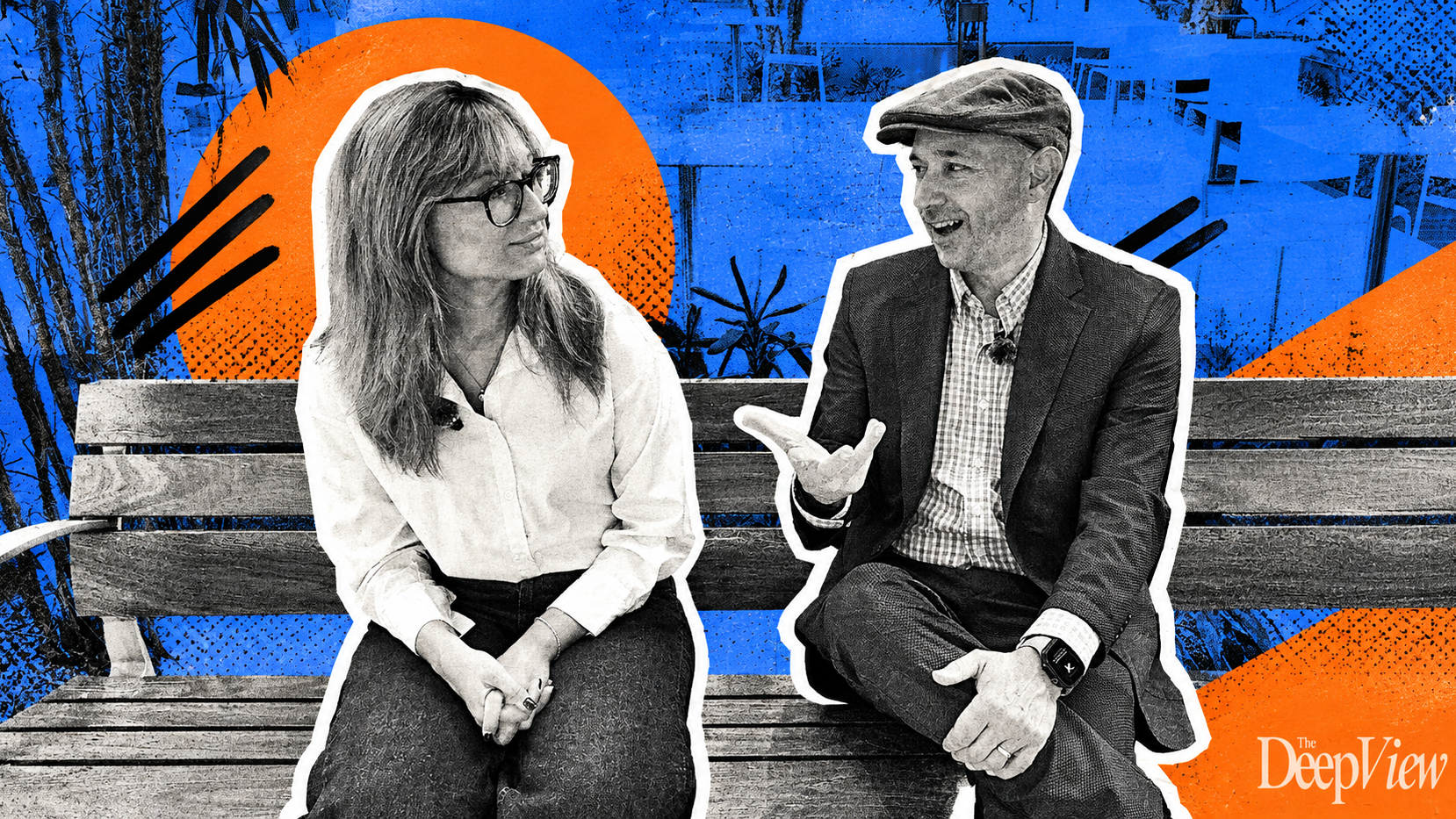
In this special episode of The Deep View Conversations, Jason Hiner and Sabrina Ortiz take stock of 2026's AI devices and debate what would make the next generation truly useful.
The discussions starts with Google's Rambler dictation feature and Wispr Flow: is easier access AI a breakthrough, or simply better product design? Real-world experiences with Siri AI also get some air time, along with an explanation of why an assistant's usefulness depends so much on the apps, habits and personal context it can access.
The conversation also includes foldable phones, Apple's HomeView, and a growing range of smart glasses. Hands-on experiences raise questions that go beyond hardware: Which AI do you trust with your information? Will people feel comfortable around cameras on your face? And does putting a chatbot into a new object solve a problem that your phone doesn't?
Other topics covered:
• Why AI features and a true AI device are different propositions
• Proactive agents and why they are emerging as the next differentiator
• The iPhone Duo and how foldables can make managing AI agents more practical
• Meta's audio glasses and Google's Gemini-powered intelligent eyewear
• Brilliant Labs Halo, memory and a different approach to privacy
• Snap Specs, face computers and potential uses in the workplace
• What OpenAI and Jony Ive would need to deliver with a new AI device
If you're following AI hardware, deciding which features matter or wondering whether a dedicated AI device can earn a place in your life, this conversation deciphers the product promises with the experience of actually using them.
📺 Watch on YouTube
🎧 Listen in your favorite podcast player
Subscribe to Deep View Conversations for interviews with the leaders shaping the future of AI, business, and technology: https://tdv.transistor.fm/
And don't forget to sign up for The Deep View daily newsletter. We don’t just cover AI, we decode it. In a world flooded with hype, we deliver sharp, no-nonsense insights to keep you ahead of the curve and help you put AI to work every day: subscribe.thedeepview.com
or get it straight to your inbox, for free!
Get our free, daily newsletter that makes you smarter about AI. Read by 750,000+ from Google, Meta, Microsoft, a16z and more.